Welcome!

Welcome to my Doula Blog! I hope you find it interesting and informative.

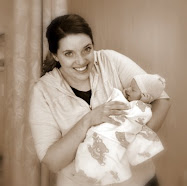
My name is Natalie. I am a wife, a mother of almost five boys, a doula, and a Hypnobabies Instructor! I'm passionate about childbirth and hope to help women realize the power that is in them to birth more normally and naturally. It's my goal to help women feel confident and comfortable during pregnancy, labor, and delivery. Yes, it is possible! It's also amazing, incredible, wonderful, empowering, and life changing.

As a doula, I am a trained professional who understands and trusts the process of birth. I provide continuous care for the laboring mother and her partner. Studies have shown that when doulas attend births, labors are shorter with fewer complications. I attend to women in labor to help ensure a safe and satisfying birth experience in both home and hospital settings. I draw on my knowledge and experience to provide emotional support, physical comfort and, as needed, communication with the other members of your birth team to make sure that you have the information that you need to make informed decisions in labor. I can provide reassurance and perspective to the laboring mother and her partner, make suggestions for labor progress, and help with relaxation, massage, positioning and other techniques for comfort.

Feel free to contact me at doulanataliesue@gmail.com.
Thanks for stopping by!

Pages

Monday, March 15, 2010

Vernix and Amniotic Fluid

Why not to wash your new baby straight away...
Why to avoid artificial rupture of your membrances...

It turns out that vernix (the white stuff some babies are born with) and amniotic fluid have similar immune enhancing properties to breast milk... artificial rupturing of membranes can take away the amniotic fluid's protective capability. Cleaning your baby straight away can take away the immune protecting properties of vernix....


Source: Pubmed central.


http://www.pubmedcentral.nih.gov/articlerender.fcgi?artid=1595247


ANTIMICROBIAL PROPERTIES OF AMNIOTIC FLUID AND VERNIX CASEOSA ARE SIMILAR TO THOSE FOUND IN BREAST MILK


  • Akinbi, H. T., Narendran, V., Pass, A. K., Markart, P., & Hoath, S. B. (2004). Host defense proteins in vernix caseosa and amniotic fluid. American Journal of Obstetrics and Gynecology, 191(6), 2090–2096.

Summary

In this study, researchers analyzed samples of amniotic fluid and vernix caseosa (vernix) from healthy, term gestations to determine the immune properties of these substances. Participants were pregnant women admitted for elective cesarean section after 37 weeks gestation with no prior labor and no signs of chorioamnionitis (intrauterine infection). Women with a history of prenatal fever or premature rupture of membranes, or who received steroids prenatally or antibiotics while giving birth were excluded, as were women whose babies passed meconium in utero, had congenital malformations, or required prolonged resuscitation after birth. Amniotic fluid was obtained by amniocentesis to determine fetal lung maturity prior to elective birth. Vernix was gently scraped from the newborn's skin with a sterile implement immediately following birth. The researchers obtained 10 samples of amniotic fluid and 25 samples of vernix.

Tests (Western analysis and immunochemistry) revealed that lysozyme, lactoferrin, human neutrophil peptides 1–3, and secretory leukocyte protease inhibitor were present in the amniotic fluid samples and in organized granules embedded in the vernix samples. These immune substances were tested using antimicrobial growth inhibition assays and found to be effective in inhibiting the growth of common perinatal pathogens, including group B. Streptococcus, K. pneumoniae, L. monocytogenes, C. albicans, and E. coli.


The authors point out that the innate immune proteins found in vernix and amniotic fluid are similar to those found in breast milk. As the baby prepares for extrauterine life, pulmonary surfactant (a substance produced by the maturing fetal lungs) increases in the amniotic fluid, resulting in the detachment of vernix from the skin. The vernix mixes with the amniotic fluid and is swallowed by the growing fetus. Given the antimicrobial properties of this mixture, the authors conclude that there is “considerable functional and structural synergism between the prenatal biology of vernix caseosa and the postnatal biology of breast milk” (p. 2095). They also suggest that better understanding of these innate host defenses may prove useful in preventing and treating intrauterine infection.


Significance for Normal Birth


Routine artificial rupture of membranes increases the likelihood of intrauterine infection because it eliminates the physical barrier (the amniotic sac) between the baby and the mother's vaginal flora. This study suggests an additional mechanism for the prevention of infection when the membranes remain intact: A baby bathed in amniotic fluid benefits from antimicrobial proteins that are found in the fluid and in vernix caseosa.


The results of this study also call into question the routine use of some newborn procedures. Early bathing of the baby removes vernix, which contains antimicrobial proteins that are active against group B. streptococcus and E. coli. Delaying the bath and keeping the newborn together with his or her mother until breastfeeding is established may prevent some cases of devastating infections caused by these bacteria. The fact that preterm babies tend to have more vernix than babies born at or after 40 weeks might mean that healthy, stable preterm babies derive even greater benefit from staying with their mothers during the immediate newborn period.


Finally, this study illustrates how the normal physiology of pregnancy and fetal development is part of a continuum that extends beyond birth to the newborn period. The immunologic similarities between amniotic fluid, vernix, and breast milk provide further evidence that successful initiation of breastfeeding is a critical part of the process of normal birth

Monday, March 8, 2010

Epidurals

By Sarah Vine

When offering a woman an epidural at childbirth, in my experience, midwives and anesthesiologists rarely explain all the side effects that accompany this form of pain relief. I feel this is very wrong, if women are purported to have ‘free choice’ for childbirth! That is why I am including this information on epidurals.

The main reason I try to avoid epidurals because of the increase likely hood of other interventions that may follow: epidurals commonly cause blood pressure to go down, so a saline IV is introduced. Another side effect is that contractions may then tail off, so pitocin (a synthetic hormone that stimulates contractions) is added. Contractions suddenly get very strong with pitocin use, which may cause the baby’s heart rate to drop…. etc. I have met midwives who believe that the epidural can help a woman who is fighting contractions relax, and allow the dilation to take place, and in some cases this might be true. In preparation to allow this to happen without resorting to drugs, you can practice pregnancy yoga, and/or look into hypnobirthing techniques to help yourself relax and let go.

Epidurals also stop the release of oxytocin by your brain – oxytocin is the body’s natural pain relief. (I wish it were stronger too!) As pain increases, oxytocin levels increase too. As soon as pain goes up a notch, you may start to panic that you can’t cope, but if you can mentally get on top of the panic, you may find yourself coping better again in a few minutes as the oxytocin levels increase in response. It is also an important hormone for bonding with the baby, and for breastfeeding. It doesn’t mean you can’t bond or breastfeed after an epidural birth, but the intuitive response, from my experience, sometimes seems lower. I have had both kinds of births, and the cocktail of hormones and joy make one so high for weeks after a natural birth, as opposed to a birth with lots of interventions which leaves you feeling like a train has run over you, and instead of positive hormones your body has drugs to flush out.

It is rare, but things do go wrong with epidurals. The placement of the IV is in the space just before entering the dura, the which protects the center of your spine where spinal fluid flows up to the brain. If the placement is wrong and the dura is punctured, spinal fluid leaks out and the result is an excruciating headache that may last for days or even weeks – severely interrupting the crucial period for bonding and learning breastfeeding techniques. (Dura puncture rate between 1 and 5 cases out of 100. See below for source.) Another rare occurrence is when the epidural is only partially effective, meaning one half of the body is pain free while the other half feels everything. Sometimes it’s only a small patch of stomach that can still feel pain – but unfortunately, since the oxytocin (natural pain reliever) in the brain has been switched off, the pain in that one spot is even MORE excruciating than before, which can be very distressing for the mother, especially since she has been looking forward to being pain free. The NHS suggests that 1 of 6 epidurals is unsatisfactory.

Now, if you do decide to have an epidural, you can rest assured that you know all the side effects and that you are going into this with eyes wide open. Whatever you do, do NOT feel guilty or like a failure. Every woman’s pain is different, and modern medicine does have huge benefits when properly used. You have a free choice, you do not need anyone’s permission or approval here.If an epidural is what you need to give birth without fear, and welcome your child with joy, then take it. It is important not to bear guilt afterwards.

The ultimate goal is to be able to give birth in full knowledge of the miracle, the holy moment when the breath of life enters your child’s body and you gaze at each other, eye to eye. Embrace the experience!

Management of Accidental Dural Puncture and Subsequent Headache
By Stephanie Goodman, M .D. , Associate Clinical Professor of Anesthesiology, Department of
Anesthesia, Colum bia Presbyterian Medical Center, New York, New York

Epidural analgesia in labour St Mary’s NHS Trust

Monday, February 8, 2010

The Case Against Inducing Labor

Wow, THIS is an incredible article that was just posted by a fellow doula friend..for anyone curious about learning more of Pitocen and Inductions, this is very informative!

Especially to me because, I myself, have had 2 inductions. The reasons?
1. I was 9 days overdue and my amniotic fluid levels were low and
2. I was 5 days overdue and they thought I had a 9 1/2 pound baby in there.

For reason number 1, now I know that I could have been dehydrated, or maybe not. It really could have been a medical need. I'm not sure what else I could have done in that situation.
For number 2, I should have waited! I could have pushed out a big baby! Plus, when I had him, he was only 8 lbs. Now my care provider is wonderful, I don't want anyone to think differently. She was wonderful because she told me all of my options. She didn't force or make me choose one option over another. She repeatedly told me that it was up to me and that she would support my decisions. So I only blame myself for not doing more research.

After I had my babies, I started attending births of my amazing sister-in-laws. They all have natural childbirths. Witnessing them changed my life. I thought, "If they can do this, then I can do this!" "Childbirth IS normal and natural, but we are blessed with medical care in case we have a complication....otherwise, you really don't need medical interventions!" Do you know that my aunt had a couple of her babies FOUR weeks overdue? Yeah, and everyone is fine. Amazing. So after witnessing my sisters-in-law, and learning so much more about childbirth, I decided to become a Doula! I have learned SO much and am amazing at how much knowledge and power women are missing out on. I had no idea it was out there. Society trains us to think that childbirth is scary, painful, and the only way we are to do it is check ourselves into the hospital and sit in bed with our epidural. Well, it doesn't have to be this way. Because of what I have learned and what I have learned at the 10 births I have attended, you can be sure that I will be avoiding any more inductions with my own pregnancies....

Some points that stood out to me, or should I say, yelled out to me are these:

-Pitocin has a 40 to 50 percent induction failure rate. This is why you hear of induced women who fail to progress and end up with a c-section.

-In 1978, the FDA advisory committee removed its approval of Pitocin for the elective induction of labor.

-The drug has never been approved by the FDA for the use of augmenting labor..(speeding labor along).

-Only 3 percent of women need to be induced for medical reasons.

-Another 3 to 12 percent seem to want to drive their mothers crazy and hang out inside that wonderful, warm, loving womb, so they are induced well after their due dates...Yet we hear of Pitocen being used at almost every birth, when really, it should only be an option at 15% of births.

- Your due date that is still only 85 percent accurate, plus or minus 14 days. Actually, the percentage of babies born exactly on their predicted due date is so small it's a wonder we bother with due dates at all. It's perfectly normal for 80 percent of healthy babies to have anywhere from a 38- to 42-week gestation. Several generations ago, a physician might tell an expectant mother that she was due "sometime in late October or early November"; today, women are given a "precise" due date, often determined by ultrasound testing. Many instances of so-called postmaturity result from nothing more than an inaccurate due date. It's probably best to stick with the "late November, early December" method"

-The fact that Pitocin can shorten the normal oxygenating intervals that occur between contractions is a threat to the integrity of the fetal brain and can have lifelong consequences for the affected baby. (One compelling theory, presented at the 1996 annual meeting of the American Psychiatric Association by Eric Hollander of Mount Sinai Medical Center in New York, links autistic children with Pitocin-induced labors. Hollander suspects that Pitocin interferes with the newborn's oxytocin system, producing the social phobias of autism. When he administered oxytocin to autistic patients, it made them four times more talkative, and according to the patients themselves, twice as happy, although not all patients responded.) -This was the most interesting piece of information to me, as I might have a child with autism....my frist induction. He did not react well to the pitocen..


** And now, for all of us who have had pitocen, we cannot feel guilty. We can only take this information and share it with our sisters, friends, and empower our own lives for the future....

Wednesday, February 3, 2010

Essential Oils During Birth

Using doTERRA Oils During Birth....

I am a birth doula and use oils on just about all my clients (who want them). I am amazed at the power of the oils during birth. Here is a list of oils I use:

I find that using essential oils during this process help to ease some of the discomforts of labor, give Mom’s the strength she needs to pursue the birth she desires, create a calm and serene atmosphere, and
help to change the birthing rooms to more of a welcoming place, to name a few.

During early labor using lavender to calm the early jitters, both for Mom and her partner by diffusing in the room or using with a carrieroil for light massage.


As labor progresses, Jasmine is a wonderful oil to use. It helps to increase the intensity of the contractions but also acts as an analgesic, helping to take away some of the sensations of the contractions. This can be used neet on the lower abdomen or used with a carrier oil for massage.


If labor has slowed and needs a bit of a boost, Myrrh can pick things up. I don’t normally put this on her body. I will diffuse into the room or put it on a cotton ball near her. So often the intensity of the contractions will pick up right away and I find that the aroma of the oil can then become an irritant to her.

Black Pepper is a great oil for back labor. If my client is experiencing back discomforts we will use Black Pepper mixed with a carrier oil to ease some of the pain. Clove or nutmeg can also be used for this same issue. Use care when using these oils neet as there can be skin sensitivity to them.

Rose Oil is Euphoric, it works as a uterine relaxant and it helps ligaments to soften enabling the pelvic bones to expand more easily.


Clary Sage facilitates birth as a euphoric and an analgesic, as a tonic to the respiratory muscles, the uterine system and calms the lower spinal cord. Put 3-4 drops on the inner ankles to help speed
labor up.


Peppermint when inhaled can help reduce anxiety and hypertension. It can be cooling on the lower back. It can help to ease nausea


Elevation is great for creating a joyful experience. Uplifting and calming


Serenity is a calming blend designed to reduce stress by calming the nervous system, creating a sense of well-being and improved health through the natural reduction of stress and its related symptoms.


Lavender, sweet marjoram, roman chamomile, ylang ylang, sandalwood and vanilla bean create a subtle aroma ideal for aromatic diffusion or topical application.


Whisper-This perfectly balanced scent includes, patchouli, bergamot, sandalwood, rose, Jasmine, cinnamon, cistus, vetiver, ylang ylang, cocoa and vanilla. Subtly with distinctive notes is a modest
descriptor for this unique and compelling natural fragrance. Whisper (TM) can be used topically and diffused into the air


Balance on the feet to help relax and increase a sense of courage to continue with the birthing process.

Neroli works on the nervous system, allowing it to relax. It calms fear and anxiety, both of which will promote easy breathing, especially if mom is panting or about to hyperventilate

.
The use of essential oils during the birthing process can be used as another tool for the birth assistants and partners to help ease some of the discomforts of labor and create a loving environment.

Friday, January 29, 2010

Blessings of Homebirth

"Knowing comes from the place within us that is connected to our source." From A Still, Small Voice by Echo L. Bodine

A month before the due date of my second pregnancy, I had a dream that there were two little girls with pigtails in their hair joining our family. When I told my husband about my dream, he joked, "there had better be only one baby in there. We only have one more bedroom!"

We were planning a homebirth for this pregnancy. Our son had been born at home without complications. In fact, his birth had gone so quickly, that we had barely enough time to fill the birth tub before he emerged. This time, my husband planned to fill the birth tub right away at the start of contractions.

My second pregnancy was "normal" as far as anyone could tell. I had regular prenatal care with my midwife and our family practitioner. Both felt I was a fine candidate for a second home birth, and that ultrasound wasn’t necessary for me. I measured a little big, but that had been the case with my son as well. Several people joked to me about possibly carrying twins, yet when my practitioners checked me, they both only heard one heartbeat. As part of our preparation for birth, we reviewed the "Emergency Childbirth" pamphlet from our midwife, and consciously visualized a positive birth outcome.

A week before my due date, my husband and son set up the rented birth tub in our home. When I saw the tub sitting there ready to go, I felt a spasm of fear for what was to come. My husband held me as I cried out my fears, and as the tears subsided, the fear was still real to me, but from the bottom of my heart I knew that everything would turn out alright.

Early on the morning of my due date, I woke my husband, David, to tell him that contractions had begun. He immediately called my mom and the midwife, and started to fill the birth tub. After a few contractions I needed David to put pressure on my low back. Between contractions he opened our birth kit, adjusted the faucet temperature, and gave me sips of water. As soon as the tub was deep enough I climbed in. It was much easier to handle the contractions in the water.

Nevertheless, I suddenly needed to roar through the contractions. I made deep, low moaning noises. I started crying. I knew I was in transition from the emotions that were flowing. I felt like pushing, and started to blow air through my mouth to hold back until the midwife could arrive. I needed to squat. I panted, blew air, and then started pushing because there was no way not to push. David briefly wondered where the midwife was. After a couple of pushes the baby came out all at once. We gently lifted her up out of the water and held her close. While we tried to start nursing I felt strong contractions resume, and again experienced the urge to push. I reached down and felt a second head with my fingertips.

Now, instinctively, I knew it was a second baby, and my body knew exactly what to do, though this certainly wasn't planned! I softly cradled Baby 1, as I squatted and pushed. It was easier this time, and after two pushes Baby 2 shot out into the water. Her head was covered with the sac. David removed the membranes and lifted her to my other breast.

The babies were slippery, and my arms were coated with vernix. As Baby 2 latched on to nurse, finally both the midwife and my mom arrived at the same time. We were all in a state of shock and disbelief. My midwife consulted the clock and realized that my labor had lasted less than 50 minutes. We weighed the babies: 5 lbs. and 5 lbs. 12 oz. The placenta weighed 8 ½ pounds!

While I dozed in bed with the babies, I remembered the dream about the two little girls with pigtails in their hair. I realized then, that deep down, on some level, I had known all along that I had been carrying twins. The pieces fell into place as I relived my pregnancy with this new information. No wonder I had felt so tired!

My family was incredulous. Each visitor who stopped by with good wishes needed to see both of the babies to believe that there really were two of them. Every time I looked at the twins I was full of wonder. Most of all I was euphoric: I had handled the birth by myself, twins or not, and it had gone beautifully. Everything had turned out just fine.

Over time, I have realized, with much gratitude, how we had been living in a protected space during the twins' pregnancy and birth. I believed my care providers who told me that I was carrying a singleton. I trusted in my strength as a woman to give birth, and I trusted my body to tell me what I needed to know, and to do what needed to be done. In not noticing the signs that I was carrying twins, I was able to view my pregnancy as completely normal. And I was free of the interventions that are standard in multiple pregnancies and births today, such as bed rest, fetal testing, continuous monitoring, and obligatory c-sections.

Now that my twins are four, I find I am still processing their birth mentally, emotionally and spiritually. As the haze of hormones has lifted, I see that their birth was a blessing on many levels.

I feel blessed to have been held in a bubble of safety, in not being conscious of the fact that I was carrying twins. I feel so fortunate to have been surrounded by care providers who believed in me and in the birth process. And I feel privileged to have experienced my own power during unassisted homebirth. I believe that things happen for a reason, and I attribute this experience to the work of the Divine.

The birth process taught me that I have inner wisdom and my twins' births gave me further impetus to explore my intuition. After the birth of my twins I had an awakening of the soul. I came to respect the power of my intuition, and have since decided to use it and cultivate it more. This "knowing", which Echo Bodine talks about in her book A Still, Small Voice, has connected me to my calling: planning and facilitating gatherings of women and girls to honor life's passages as sacred. My intuition told me that women's life passages, like pregnancy, birth, coming of age, and loss, need to be honored and celebrated.

The legacy of my twins' births is my conviction to tell this birth story again and again. Not only because I am an example of uncomplicated, unassisted homebirth of unexpected twins, but also because by sharing my story, I honor this passage and my body's message to me. And these are some of the many blessings of homebirth.

Thursday, January 28, 2010

Growing Number of Women Want Birth to Be a Natural Process, Not a Medical One

By SUSAN DONALDSON JAMES

July 28, 2008 —

Pregnant with her first child, Julie Speier prepared to deliver with the help of a midwife at a New York City birthing center. But in June -- three weeks before the due date and 600 miles from home -- her water broke.

Speier gave birth at a Cincinnati hospital, where she and her fiancé tried desperately to keep the birth natural -- a vaginal delivery without pain medication.

"I believe in the power of nature and that creation is next to perfect," said Speier, a 34-year-old yoga teacher. "I knew what I wanted and I had the confidence."

But as labor pains increased and Speier asked about breathing techniques, the doctor replied, "How do I know? I've only ever done two [natural childbirths]."

Today, natural childbirth is a medical anomaly in the United States, so much so that doctors are often thrown off guard by a determined woman like Speier.

A small but growing number of women who seek to avoid aggressive medical techniques like induced labor, epidural blocks and Caesarean sections find they are a lone voice among their friends and doctors.

"All of my friends think I am a little nuts," Speier said. "They say why would you do it natural?"

Speier said her own mother told her traumatic stories of her brother's breech birth. "Everyone I know has an 'I can top you' gory birthing story."

Pre-planned Caesareans are also in vogue. Women want to avoid future complications of multiple vaginal births, like uterine or bladder collapse. And today's body-conscious women worry needlessly about loss of muscle-tone.

'Too Posh to Push'

With the latest feminine plastic surgery rage -- so-called "pimping the vadge" -- some women prefer what the British call the "Posh push," referring to the planned Caesarean births of soccer celebrity David and Victoria Beckham's three boys.

Like the generation that pioneered the first wave of feminism in the 1970s, women like Speier want to take an active role in their health care. They view childbirth a normal, healthy process that requires time, patience, strength and endurance.

But in the decades since, new technologies, the rising cost of malpractice insurance and even the changing attitudes of women have all contributed to the near-demise of natural childbirth.

"It's a little tsunami," said Dr. Ben Sachs, chief of obstetrics at Tulane University in Louisiana. "All these forces are coming together at the same time."

Both doctors and midwives have been hit hard with the high cost of liability insurance. All agree they must take on more patients to keep their practices lucrative, giving them less time to wait out a long labor.

Doctors more frequently induce labor, using synthetic hormones like pitocin to strengthen and quicken labor, an intervention that was once used only as a "last resort."

But induction also heightens the pain of labor and can precipitate the use an epidural -- an injection in the lower back that blocks the pain of contractions while the woman is awake. And some say that, in turn, can delay the pushing mechanism and even trigger the need for a Caesarean.

Induction rates rose 5 percent in 2005 to 22.3 percent of all births -- double the rate since 1990, according to the National Center for Health Statistics. Caesarean deliveries have also jumped -- to more than 30 percent of all births, a 46 percent rise in the last decade and a 4 percent increase over the 2004 record.

Hospital Costs Spiraling

So, too, have hospital costs spiraled, and doctors say the first cuts are in obstetrical care. Hospitals in many parts of the country can now be sued for malpractice, further eroding support for what is perceived as the economic risk of natural childbirth.

"Childbirth doesn't get the attention and respect it should," Sachs told ABCNews.com.

But he said it isn't only doctors driving the medicalization of pregnancy, but women themselves.

Many women are having their babies older, necessitating more Caesarean sections for high-risk pregnancies. Younger women who fear the pain or the cosmetic consequences of a vaginal birth pre-plan a Caesarean with their doctor's blessing.

"The question is, has it done harm to women or the experience of childbirth?" Sachs asked. "Positive things are coming out of this. There is a concentration on patient safety and reducing medical errors."

But a national survey by Childbirth Connection found just one incidence in 1,600 of a planned c-section, for no underlying medical reason. The non-profit also said the rate of Caesareans is going up in all groups of birthing women.

"The American healthcare system is increasingly dependent upon medical interventions to address what is, most often, a normal and safe physiological process," said Rebecca Benghiat, executive director of the New Space for Women's Health in New York City, where the Caesarean rate has just hit 31 percent of all births.

"Quite often, women are not fully informed of the risks associated with commonly performed obstetrical interventions, nor do they know there are options beyond hospital birth," she said.

But, childbirth advocates say that for women with uncomplicated and low-risk pregnancies, a natural birth can be safe.

"This is a big mess and no one is sure how we got there," said Erica Lyon, director of the education center RealBirth in New York City and author of the "The Big Book of Birth."

"We had a wonderful movement in the 1970s when women wanted to take control of their bodies," she told ABCNews.com "When we got to the eighties, we assumed it was fixed. But it wasn't."

Today, about 95 percent of all births occur in hospitals, 3 percent in birthing centers and only 1 percent at home, according to the National Center for Health Statistics. About 6 percent of all births are attended by midwives, but those numbers are dropping as their liability insurance rises.

Natural childbirth experts say they have seen a modest increase in interest in natural childbirth following a recent film by actress Ricki Lake, who gave birth at home with the help of a midwife.

Lyon charges that hospitals have "no standards of practice," bowing to the demands of overburdened doctors and women who don't understand the benefits of natural childbirth -- quicker recovery time, better baby bonding and more successful breastfeeding.

"It's good technology, but we do it over-aggressively," she said. "What we tend to do is treat it as an absolute rather than with a tiny bit of healthy skepticism."

But natural "means different things to different people," according to Dr. Lauren Streicher, an obstetrician gynecologist at Northwestern Memorial Hospital in Chicago, who said current medical practices are safe and what women want.

'Go Ahead and Medicalize It'

"Most women say go ahead and medicalize it," she told ABCNews.com. "Low-intervention birth is on the decline because people are no longer interested. They say, 'I want an epidural and a C-section is fine for me.'"

Streicher opted for "zero pain" in her own pregnancy and planned to get an epidural even before her first contraction. But when her water broke weeks early, her anesthesiologist was on a ski holiday and her obstetrician was having a hysterectomy.

"I didn't panic," she said. "I had three or four very painful contractions, but after that it was a very lovely, easy labor and I pushed her [daughter] out."

She also agrees with women who say "there's no shame in doing a C-section."

But Dr. Louis Weinstein, chair of the obstetrics and gynecology department at Thomas Jefferson University, points out that although the mortality rate is "very low," a Caesarean is 6 to 20 times more dangerous than a vaginal delivery.

Though he will agree to an elective Caesaean, he makes sure the woman is informed and understands all the risks.

Weinstein also warned of the misuse of induction hormones, which he says studies show are the second most common source of medical errors.

Still, he said the use of epidurals, which carries its own risks, is safe when properly administered. "With all due respect, labor is uncomfortable and the reason someone coined it is you are working your rear end off," he told ABCNews.com. "Labor is very, very uncomfortable."

"I believe in choice, but this is a women's issue," Weinstein said. "We get more nasty letters that we didn't have time to put in the epidural."

But midwives say women are not encouraged by their doctors to explore alternatives such as birthing centers, where low-risk women can give deliver naturally, balancing technology with a home-like environment. There, no pain medication in administered, but women receive the support of a trained midwife and an assistant, who work with doctors to ensure safety. A warm and intimate environment -- and sometimes hot tubs and whirlpools -- provide a soothing atmosphere to experience the birth naturally.

"Most women don't know about their choices," said Asya Portnaya, 29, and a certified midwife from the Brooklyn Birthing Center in New York. "They are only aware of a hospital birth and just go as the doctor tells them to."

Midwives Show Lower Caesarean Rate

According to the Public Citizen Health Research Group, certified nurse-midwives have a Cesarean section rate of 11.6 percent compared with a national average of 23.3 percent.

"In a hospital, you get lost in the system, even as a midwife," she said. "If you take a child birth class in the hospital, they don't talk about natural birth as much. They talk about the epidural and the whole system supports an unnatural birth. You can't fight that."

Meanwhile, Julie Speier fought hard to see that the Cincinnati hospital team respected her wishes for a natural childbirth.

When the doctor seemed unable to guide the process, Speier's fiancé called a midwife friend and relayed her instructions to the doctor.

"At one point, the baby's head came out and the doctor pulled, but I said, 'Don't pull the baby, wait!'," she said. "Every doctor and nurse we spoke to knew it was important for me to have a natural childbirth. It was hard for them, but they stood back."

Despite the initial drama, Aine Joy, now 7 weeks old, was born healthy. Now ensconced in the joys of parenthood, Speier said she feels more empowered after going through the birth naturally.

"I have more faith in my body than in medical systems," she said. "This is what a woman's body is meant to do."

Cloe Shasha contributed to research in this report.

Thursday, January 21, 2010

No need for pregnant women to fast during labor

Wed Jan 20, 2010 11:18am EST

NEW YORK (Reuters Health) - There is no reason why pregnant women at low risk for complications during delivery should be denied fluids and food during labor, a new Cochrane research review concludes.

"Women should be free to eat and drink in labor, or not, as they wish," the authors of the review wrote in the Cochrane Library, a publication of the Cochrane Collaboration, an international organization that evaluates medical research.

Dr. Jennifer Milosavljevic, a specialist in obstetrics and gynecology at Henry Ford Health System, Detroit, who was not involved in the Cochrane Review, agrees that pregnant women should be allowed to eat and/or drink during labor.

"In my experience," she told Reuters Health in an email, "most pregnant patients at Henry Ford are placed on a clear liquid diet during labor which includes water, apple juice, cranberry juice, broth, and jello. If a patient is brought in for a prolonged induction of labor, she will typically be permitted to eat a regular diet and order anything off the menu in between different induction modalities."

Milosavlievic has "not seen any adverse outcomes by allowing women the option of liquids and/or a regular diet in labor."

Standard hospital policy for many decades has been to allow only tiny sips of water or ice chips for pregnant women in labor if they were thirsty. Why? It was feared, and some studies in the 1940s showed, that if a woman needed to undergo general anesthesia for a cesarean delivery, she might inhale regurgitated liquids or food particles that could lead to pneumonia and other lung damage.

But anesthesia practices have changed and improved since the 1940s, with more use of regional anesthesia and safer general anesthesia.

And recently, attitudes on food and drink during labor have begun to relax. Last September, the American College of Obstetricians and Gynecologists (ACOG) released a "Committee Opinion" advising doctors that women with a normal, uncomplicated labor may drink modest amounts of clear liquids such as water, fruit juice without pulp, carbonated beverages, clear tea, black coffee, and sports drinks. They fell short of saying food was okay, however, advising that women should avoid fluids with solid particles, such as soup.

"As for the continued restriction on food, the reality is that eating is the last thing most women are going to want to do since nausea and vomiting during labor is quite common," Dr. William H. Barth, Jr., chair of ACOGs Committee on Obstetric Practice, noted in a written statement at the time.

But based on the evidence, Mandisa Singata of the East London Hospital Complex in East London, South Africa, an author on the new Cochrane Review, says "women should be able to make their own decisions about whether they want to eat or drink during labor, or not."

Singata and colleagues systematically reviewed five studies involving more than 3100 pregnant that looked at the evidence for restricting food and drink in women who were considered unlikely to need anesthesia. One study looked at complete restriction versus giving women the freedom to eat and drink at will; two studies looked at water only versus giving women specific fluids and foods and two studies looked at water only versus giving women carbohydrate drinks.

The evidence showed no benefits or harms of restricting foods and fluids during labor in women at low risk of needing anesthesia.

Singata and colleagues acknowledge that many women may not feel like eating or drinking during labor. However, research has shown that some women find the food and drink restriction unpleasant. Poor nutritional balance may be also associated with longer and more painful labors. Drinking clear liquids in limited quantities has been found to bring comfort to women in labor and does not increase labor complications.

The researchers emphasize that they did not find any studies that assessed the risks of eating and drinking for women with a higher risk of needing anesthesia and so further research is need before specific recommendations can be made for this group.

SOURCE: Cochrane Library, 2010.

http://www.reuters.com/article/idUSTRE60J40520100120